Sistem beraja di Malaysia bermula sejak zaman kerajaan Melayu awal dan kekal hingga hari ini.
Pengenalan unit
Payung yang terbentang beratus-ratus tahun
Sistem beraja di Malaysia bermula sejak zaman kerajaan Melayu awal dan kekal hingga hari ini. Sistem ini menjadi teras pemerintahan negara dan warisan yang dijunjung oleh rakyat. Tajuk unit ini menyamakan institusi raja dengan “payung”, kerana raja bertanggungjawab menjaga keamanan dan kesejahteraan negeri serta negara.
Dalam unit ini, kita akan memahami perkara berikut langkah demi langkah:
Maksud raja dan kerajaan
Waadat antara rakyat dengan raja dalam Sulalatus Salatin
Maksud daulat dan derhaka
Perubahan kedudukan dan peranan raja Melayu dari dahulu hingga kini
Negara lain di dunia yang masih mempunyai raja
Raja Berperlembagaan = 君主立宪。这个单元讲的是马来西亚的君主制度。这个制度从早期的马来王国开始,一直保留到今天。单元的题目把君主比作一把伞,因为君主有责任保护州属和国家的和平,让人民安居乐业。例子:伞替我们挡雨遮阳;君主也像这样保护州属,不让它陷入混乱。注意:清单里的五件事,会在这个单元里一件一件出现。
Raja Berperlembagaan = constitutional monarchy. This unit is about the system of rulers in Malaysia. It began in the early Malay kingdoms and has lasted until today. The title compares the ruler to an umbrella, because a ruler is responsible for keeping the state and the country peaceful so that people can live safely. Example: An umbrella shields us from rain and sun; in the same way a ruler shields the state from trouble. Watch out: The five points in this list will come up one by one in this unit.
Raja ketua kerajaan
Siapakah ketua kerajaan?
Dalam sejarah negara kita, Raja atau Sultan ialah ketua kerajaan. Kerajaan di sini bermaksud negeri atau negara yang ditadbir secara sah.
Sistem beraja berasal daripada kerajaan Melayu awal. Pada masa itu, pemerintah tertinggi dikenali sebagai Raja. Selepas kedatangan Islam, kebanyakan raja menggunakan gelaran Sultan.
Kedudukan (tertinggi ke terendah)
Siapa
Pemerintah tertinggi
Raja atau Sultan
Membantu pemerintahan
Pembesar
Golongan yang diperintah
Rakyat
Paling bawah
Hamba
💡 Selepas negara kita merdeka, sistem beraja diteruskan hingga hari ini dan menjadi lambang negara.
kerajaan = 政府。在马来西亚的历史里,政府的首脑是拉惹或苏丹。这里的 kerajaan 指的是合法治理(ditadbir secara sah)的州属或国家。早期用“拉惹”这个称号,伊斯兰教传入后,大多数君主改称“苏丹”。君主之下有大臣、人民和奴隶。例子:吉打苏丹是吉打州政府的首脑。注意:kerajaan 这个词,是从 raja(君主)这个词变来的。
kerajaan = government. In Malaysian history the head of a kerajaan, or government, was the Raja or Sultan. Here the word kerajaan means a state or country that is governed lawfully (ditadbir secara sah). The title Raja was used in early times; after Islam arrived most rulers changed their title to Sultan. Below the ruler came the chiefs, the people and the slaves. Example: The Sultan of Kedah is the head of the government of Kedah. Watch out: The Malay word kerajaan literally comes from the word raja.
Semak segera
Dalam unit ini, apakah maksud “kerajaan”?
maksud kerajaan = 政府的意思。这一题问的是 kerajaan 这个词的意思,就是上一屏解释过的。记住,这个词和君主以及他统治的地区关系密切。另外两个选项讲的是开会的地方和投票选出来的人,不是被统治的地区。例子:马六甲政府(Kerajaan Melaka)就是指由马六甲苏丹统治的马六甲。注意:选答案之前,先想想这个词的词根 raja。
maksud kerajaan = meaning of kerajaan. This question asks for the meaning of kerajaan as explained on the previous screen. Remember that the word is closely linked to the raja and the area he rules. The other two options talk about a meeting hall and about people chosen by voting, not about an area that is ruled. Example: The kerajaan of Melaka means the state of Melaka ruled by its Sultan. Watch out: Think of the root word raja before you choose.
Payung negeri
Pemerintah sembilan buah negeri
Raja atau Sultan ialah ketua negeri yang menjaga keamanan dan kesejahteraan negeri. Kini, sembilan buah negeri di Malaysia mengamalkan sistem beraja, tetapi gelaran pemerintahnya berbeza:
Gelaran
Negeri
Raja
Perlis
Sultan
Kedah, Perak, Selangor, Kelantan, Terengganu, Pahang, Johor
Yang di-Pertuan Besar (Yamtuan Besar)
Negeri Sembilan
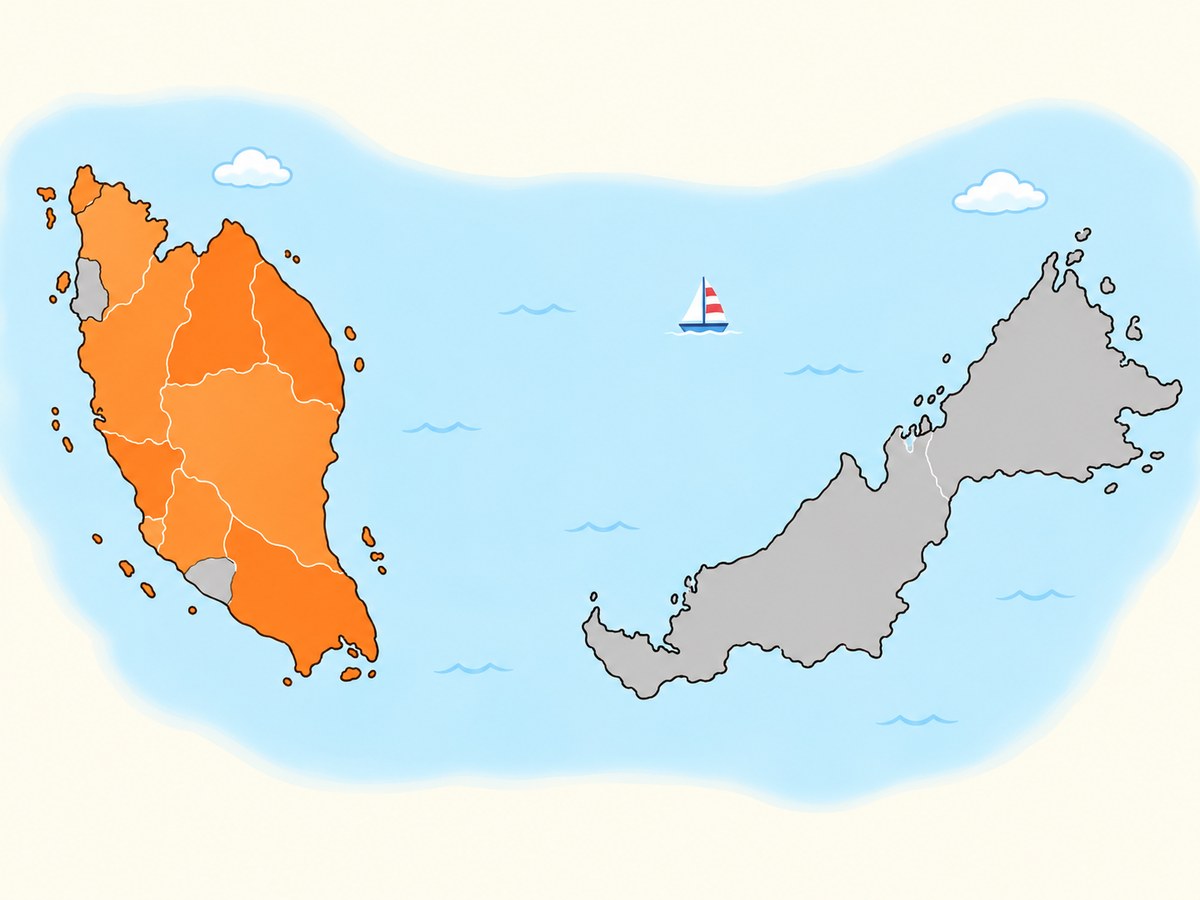
negeri beraja = 实行君主制度的州。马来西亚有九个州有自己的君主,而且全部在马来半岛。其中七个州用“苏丹”这个称号。玻璃市不一样,它的君主称为“拉惹”;森美兰的君主则称为最高统治者(Yang di-Pertuan Besar),也叫严端(Yamtuan)。地图标出了这些州的位置。例子:玻璃市拉惹和柔佛苏丹都是州的首脑,只是称号不同。注意:槟城和马六甲也在半岛上,但是没有君主。
negeri beraja = states with rulers. Nine states in Malaysia have their own ruler, and all of them are on the Peninsula. Seven states use the title Sultan. Perlis is different because its ruler is called Raja, while Negeri Sembilan uses the title Yang di-Pertuan Besar, also known as Yamtuan. The map shows where each of these states is. Example: The Raja of Perlis and the Sultan of Johor are both heads of their states, only the titles differ. Watch out: Penang and Melaka are on the Peninsula but have no ruler.
Payung negeri
Bagaimana dengan negeri yang tiada raja?
Pulau Pinang, Melaka, Sabah dan Sarawak tidak mengamalkan sistem beraja. Ketua bagi empat buah negeri ini dikenali sebagai Yang di-Pertua Negeri dan dilantik oleh Yang di-Pertuan Agong.
Kuala Lumpur, Putrajaya dan Labuan ialah Wilayah Persekutuan. Pemerintah tertinggi wilayah-wilayah ini ialah Yang di-Pertuan Agong.
Kawasan
Ketua
Pulau Pinang, Melaka, Sabah, Sarawak
Yang di-Pertua Negeri (dilantik oleh Yang di-Pertuan Agong)
Kuala Lumpur, Putrajaya, Labuan
Yang di-Pertuan Agong
💡 Sistem beraja ialah asas pembinaan negara kita hari ini. Oleh itu, sistem ini ialah warisan negara yang amat penting dan perlu kita junjung serta hargai sepenuh hati.
Yang di-Pertua Negeri = 州元首。有四个州没有君主,就是槟城、马六甲、沙巴和砂拉越。这些州的首脑叫州元首(Yang di-Pertua Negeri),由国家元首委任。三个联邦直辖区——吉隆坡、布城和纳闽——则直接归国家元首管辖。例子:沙巴州元首住在亚庇的州皇宫(Istana Negeri)。注意:州元首不是君主,这个职位也不是世袭的。
Yang di-Pertua Negeri = head of state (for states without a ruler). Four states have no ruler: Penang, Melaka, Sabah and Sarawak. Their head of state is called the Yang di-Pertua Negeri and is appointed by the Yang di-Pertuan Agong. The three Federal Territories, Kuala Lumpur, Putrajaya and Labuan, come directly under the Yang di-Pertuan Agong himself. Example: The Yang di-Pertua Negeri of Sabah lives at the Istana Negeri in Kota Kinabalu. Watch out: A Yang di-Pertua Negeri is not a monarch and does not inherit the post.
Semak segera
Siapakah yang melantik Yang di-Pertua Negeri Sabah?
siapa melantik = who appoints. Sabah is one of the states without a ruler. The question asks who appoints the head of state for a state like this. Think about who is the highest ruler for the whole federation, not the ruler of another state and not the representatives elected in a state election. Example: The head of state of Melaka is appointed in the same way as Sabah. Watch out: A Sultan only has power inside his own state.
Taat setia kepada raja
Waadat dalam Sulalatus Salatin
Taat setia rakyat kepada raja sudah wujud sejak dahulu. Sulalatus Salatin mencatatkan perjanjian antara raja, Seri Teri Buana, dengan Demang Lebar Daun yang mewakili rakyat.
Secara ringkas: rakyat berjanji untuk taat setia kepada raja dan tidak menderhaka; raja pula berjanji untuk memerintah dengan adil dan tidak mengaibkan rakyat. Perjanjian ini hanya bermakna jika kedua-dua pihak menunaikan janji masing-masing.
Pihak
Janji
Rakyat (Demang Lebar Daun)
Taat setia kepada raja dan tidak menderhaka
Raja (Seri Teri Buana)
Memerintah dengan adil dan tidak mengaibkan rakyat
💡 Perjanjian ini dikenali sebagai waadat, iaitu perjanjian taat setia antara rakyat dengan raja. Waadat menjadi asas kesetiaan rakyat kepada raja.
waadat = 君臣协议。《马来纪年》(Sulalatus Salatin)是一部记载马来君主历史的古书。书里记载了君主斯里德里布阿纳(Seri Teri Buana)和代表人民的德芒乐巴尔达温(Demang Lebar Daun)之间的协议。人民答应效忠、永不背叛;君主答应公正地统治,不羞辱人民。例子:这就像双方的约定:老师公平地教导,学生遵守规则。注意:双方都有自己的承诺,不是只有人民要守约。
waadat = the ruler-subject pact. Sulalatus Salatin is an old book that records the history of the Malay rulers. In it there is an agreement between the ruler Seri Teri Buana and Demang Lebar Daun, who spoke for the people. The people promised loyalty and never to rebel, while the ruler promised to rule fairly and never to shame his subjects. Example: It is like a two-way promise: the teacher teaches fairly, and the pupils follow the rules. Watch out: Both sides made promises, not only the people.
Taat setia kepada raja
Bagaimana kita taat setia hari ini?
Selepas negara merdeka, semangat waadat diterapkan dalam Rukun Negara melalui prinsip “Kesetiaan kepada Raja dan Negara”. Sebagai warganegara Malaysia, kita perlu taat setia sepenuh hati kepada Raja atau Sultan. Taat setia bukan sekadar kata-kata; ia boleh ditunjukkan melalui perkara kecil di sekeliling kita:
Mematuhi titah raja dan undang-undang negara
Mengenali raja negeri sendiri dan jasanya kepada rakyat
Mengucapkan tahniah pada hari keputeraan raja
Menghormati istiadat dan lambang diraja, seperti bendera diraja dan istana
Contoh: Sabah tidak mempunyai sultan. Namun, selepas keluarga Ahmad berpindah ke Johor, mereka menggantung bendera negeri di hadapan kedai setiap kali tiba hari keputeraan Sultan Johor. Itulah tanda taat setia.
Rukun Negara = 国家原则。独立后,那个古老协议的精神通过“忠于君国”这条原则,被写进了国家原则(Rukun Negara)。效忠君主可以从日常行为表现出来,例如遵守法律、认识自己州的苏丹、在诞辰时献上祝福,以及尊重皇室的象征。例子:学校周会上奏州歌时,学生立正站好。注意:效忠要用行动表现,不只是嘴上说说。
Rukun Negara = the National Principles. After independence, the spirit of that old pact was placed in the Rukun Negara through the principle of Loyalty to King and Country. Loyalty to the ruler is shown through everyday actions, such as obeying the law, knowing the ruler of your own state, sending wishes on his birthday and respecting royal symbols. Example: Pupils stand straight when the state anthem is played at school assembly. Watch out: Loyalty is shown by what you do, not just by what you say.
Semak segera
Dalam waadat, apakah janji yang dibuat oleh pihak raja?
janji raja = 君主的承诺。这一题问的是君主这一方的承诺,不是人民那一方。回想一下,德芒乐巴尔达温提出请求时,斯里德里布阿纳是怎么说的。那个承诺跟怎样治理、怎样对待人民有关,而不是跟财产、土地或税收有关。例子:在故事里,德芒乐巴尔达温请求君主永远不要羞辱人民。注意:另外两个选项从来没有出现在这个协议里。
janji raja = the ruler’s promise. This question asks about the promise made by the ruler, not by the people. Recall what Seri Teri Buana said when Demang Lebar Daun made his request. The promise was about how to rule and how to treat the people, not about property, land or taxes. Example: In the story, Demang Lebar Daun asked that the people should never be shamed. Watch out: The other two options were never part of the pact.
Daulat
Daulat dan derhaka
Waadat antara Seri Teri Buana dengan Demang Lebar Daun turut melahirkan dua konsep penting, iaitu daulat dan derhaka.
Daulat melambangkan kuasa raja untuk memerintah. Raja atau Sultan memerintah kerajaan dengan bijaksana, berbudi pekerti mulia dan berilmu. Raja yang berdaulat dapat menjamin keamanan dan kemakmuran negara, maka rakyat dapat hidup aman dan sejahtera. Derhaka pula bermaksud rakyat melanggar perintah Raja atau Sultan. Orang yang menderhaka dipercayai akan menerima hukuman yang setimpal, malah ditimpa tulah atau bencana.
Konsep
Maksud
Daulat
Kuasa raja untuk memerintah dengan bijaksana dan berilmu
Derhaka
Melanggar perintah raja dan akan menerima hukuman
💡 Perkataan “daulat” berasal daripada perkataan Arab daulah, yang bermaksud negara atau kerajaan.
daulat dan derhaka = 君权与背叛。君权(daulat)是君主治理国家的权力。有君权的君主以智慧和高尚的品德治理,州属就会和平,人民生活安乐。背叛(derhaka)是指人民违抗君主的命令;人们相信背叛的人会受到惩罚或遭遇灾祸。例子:拿起武器反抗自己苏丹的大臣,被视为背叛。注意:daulat 这个词源自阿拉伯语 daulah,意思是国家。
daulat dan derhaka = sovereignty and treason. Daulat is the ruler’s power to govern. A ruler with daulat rules wisely and with noble character, so the state stays peaceful and the people live well. Derhaka means that the people disobey the ruler’s command, and those who rebel are believed to face punishment or misfortune. Example: A chief who takes up arms against his own Sultan is said to be committing derhaka. Watch out: The word daulat comes from the Arabic word daulah, meaning state.
Semak segera
Antara perbuatan berikut, yang manakah dianggap derhaka?
kenal pasti derhaka = spotting treason. Read the three actions and ask yourself which one goes against the ruler’s command. Two of them show people honouring and welcoming the ruler. Only one openly opposes the ruler, and that is the action counted as derhaka according to the idea you just learned. Example: Bringing harvest to the ruler is a sign of respect, not of rebellion. Watch out: Words like attack and defy are the important clues.
Perubahan sistem beraja
Kerajaan Melayu awal → Zaman British
Malaysia ialah salah sebuah negara yang mengamalkan sistem beraja. Sejak zaman kerajaan Melayu awal, sistem beraja menjadi lambang kedaulatan dan kemegahan negara kita. Namun begitu, kuasa raja telah melalui beberapa peringkat perubahan sejak beratus-ratus tahun dahulu. Mari lihat dua peringkat yang pertama:
Kerajaan Melayu awal
Zaman British
Pemerintah
Raja atau Sultan
Masih Raja atau Sultan
Kuasa
Berkuasa mutlak dalam pemerintahan
Tidak lagi berkuasa mutlak
Bidang kuasa
Memutuskan hal pentadbiran, undang-undang dan hubungan luar
Agama Islam dan adat istiadat Melayu
Dibantu oleh
Pembesar yang membantu pentadbiran
Penasihat British dilantik untuk mengurus pentadbiran negeri
kuasa mutlak = 绝对权力。在早期马来王国时代,君主拥有绝对权力:行政、法律和对外关系的所有事情,都由君主决定,大臣在旁协助。英国人来了以后,君主仍是州的首脑,但权力只限于伊斯兰教和马来风俗,行政事务由英国顾问处理。例子:霹雳的英国驻扎官在税收和行政方面向苏丹提供意见。注意:英国人没有废除君主,只是缩小了君主的权力。
kuasa mutlak = absolute power. In the early Malay kingdoms the ruler had absolute power: all matters of administration, law and foreign relations were decided by him, with chiefs to help. When the British came, the ruler was still head of the state, but his power was limited to Islam and Malay custom, while British advisers ran the administration. Example: The British Resident in Perak advised the Sultan on taxes and administration. Watch out: The British did not remove the rulers; they only reduced their power.
Perubahan sistem beraja
Zaman pendudukan Jepun → Merdeka hingga kini
Pada tahun 1941, tentera Jepun mendarat di Kota Bharu, Kelantan. Selepas Jepun berundur, British kembali sehingga negara kita merdeka.
Majlis Eksekutif: badan yang mentadbir negeri
Jemaah Menteri (kabinet): diketuai oleh Perdana Menteri
Zaman pendudukan Jepun
Merdeka hingga kini
Pemerintah
Masih Raja atau Sultan
Raja atau Sultan menjalankan kuasa mengikut perlembagaan negeri
Kuasa
Tidak berkuasa mutlak dalam pemerintahan
Raja Berperlembagaan
Pentadbiran negeri
Ditadbir oleh gabenor Jepun
Diketuai oleh Menteri Besar, dibantu oleh Majlis Eksekutif
Pentadbiran negara
—
Diketuai oleh Perdana Menteri, dibantu oleh Jemaah Menteri
pendudukan Jepun = 日据时期。1941 年,日军在吉兰丹的哥打峇鲁登陆,短暂统治了马来亚。君主仍然是州的首脑,但行政由日本总督负责。日本战败后,英国人回来了;一直到独立以后,才建立君主立宪制度。例子:今天,州行政议会协助州务大臣(Menteri Besar)治理州属。注意:两种不同的机构:州一级是行政议会,国家一级是内阁。
pendudukan Jepun = Japanese Occupation. Japanese troops landed at Kota Bharu, Kelantan in 1941 and ruled Malaya for a short period. The rulers remained heads of their states, but the administration was run by a Japanese governor. After Japan lost, the British returned, and only after independence was the constitutional monarchy set up. Example: Today the State Executive Council helps the Menteri Besar run the state. Watch out: Two different bodies: the council at state level, the cabinet at national level.
Semak segera
Pada zaman pendudukan Jepun, siapakah yang mentadbir urusan negeri-negeri Melayu?
zaman Jepun = 日据时期。这一题讲的是日军控制马来亚的那段短时期。那时君主还在,但州的行政由别人负责。想一想那个时候谁掌握权力:不是英国人,因为他们已经被打败;也不是独立以后才有的职位。例子:在日本人来之前的时期,是英国顾问负责行政事务。注意:回头看看四个阶段的表格,找出日据时期那一栏。
zaman Jepun = the Japanese period. This question is about the short period when Japanese forces controlled Malaya. The rulers were still there, but someone else ran the state administration. Think about who held power at that time: not the British, who had been defeated, and not a post that only existed after independence. Example: British advisers ran the administration in the period before the Japanese came. Watch out: Look back at the four-stage table and find the Japanese column.
Perubahan sistem beraja
Apakah Raja Berperlembagaan?
Selepas merdeka, negara kita mengamalkan sistem Raja Berperlembagaan: raja masih menjadi ketua negara dan negeri, tetapi menjalankan kuasa berdasarkan perlembagaan.
Di peringkat negara, sistem Yang di-Pertuan Agong diwujudkan selepas merdeka. Sembilan orang Raja Melayu bergilir-gilir menjadi Yang di-Pertuan Agong, manakala Perdana Menteri mengetuai pentadbiran negara dengan bantuan Jemaah Menteri. Di peringkat negeri, Menteri Besar mengetuai pentadbiran dengan bantuan Majlis Eksekutif.
Contoh: Perlembagaan boleh diibaratkan seperti sebuah “buku peraturan”. Raja, Perdana Menteri dan Menteri Besar semuanya bertindak mengikut peraturan dalam buku itu, dan tiada sesiapa boleh mengubahnya sesuka hati.
💡 Rakyat negara kita perlu bersatu hati mempertahankan sistem beraja demi menjamin keamanan dan kemakmuran negara.
perlembagaan = constitution. A constitutional monarchy means the ruler is still head of the country and the state, but uses his power according to the constitution. At national level, the nine Malay rulers take turns to be the Yang di-Pertuan Agong, while the Prime Minister and the cabinet run the administration. At state level, the Menteri Besar governs with help from a council. Example: The Yang di-Pertuan Agong opens Parliament every year. Watch out: The ruler has not lost his role; his power follows written rules.
Semak segera
Bagaimanakah Yang di-Pertuan Agong negara kita dipilih pada hari ini?
giliran = rotation. This question asks how the Yang di-Pertuan Agong is chosen. Remember that only the nine Malay state rulers are involved, and the post passes from one to another in a set order. The Prime Minister does not appoint the King, and ordinary citizens do not vote for this post in an election. Example: Members of Parliament are chosen by public vote, but not the Yang di-Pertuan Agong. Watch out: The phrase taking turns is the key to this question.
Sistem beraja di dunia
43 buah negara masih mempunyai raja
Sistem beraja ialah sistem pemerintahan yang paling tua di dunia, dan raja ialah ketuanya. Kini, sebanyak 43 buah negara di dunia masih mengamalkan sistem beraja, dan Malaysia ialah salah satu daripadanya. Gelaran raja berbeza mengikut negara, dan setiap raja mempunyai bendera diraja sendiri.
Negara
Gelaran raja
Malaysia
Yang di-Pertuan Agong
Thailand, Kemboja, Maghribi
Raja
United Kingdom, Denmark
Raja atau Ratu
Brunei
Sultan
Jepun
Maharaja
💡 Aktiviti: Kumpulkan gambar bendera diraja beberapa buah negara, tampal pada kad keras dan gantungkan untuk dijadikan “pokok bendera diraja”.
sistem beraja dunia = 世界各地的君主制度。君主制度是世界上最古老的治理制度。今天仍有 43 个国家有君主,马来西亚是其中之一。各国君主的称号不同:日本是天皇,汶莱是苏丹,泰国和摩洛哥是国王,英国和丹麦则是国王或女王。例子:每位君主都有自己的御旗,在王宫升起。注意:Maghribi 是摩洛哥的马来文名称,摩洛哥在北非。
sistem beraja dunia = monarchies of the world. Monarchy is the oldest system of government in the world. Today 43 countries still have a monarch, and Malaysia is one of them. The title differs from country to country: Japan has an Emperor, Brunei a Sultan, Thailand and Morocco a King, while the United Kingdom and Denmark have a King or Queen. Example: Every monarch has a royal standard, a special flag flown at the palace. Watch out: Maghribi is the Malay name for Morocco in North Africa.
Semak segera
Apakah gelaran raja bagi negara Brunei?
gelaran raja = 君主的称号。这一题问的是我们在婆罗洲岛上的邻国,它的君主用什么称号。三个选项是刚才表格里三个不同国家所用的称号。想一想哪个国家和马来州属有相同的语言、宗教和习俗,因为它的君主称号也很相似。例子:“天皇”(Maharaja)这个称号用在东亚的一个国家。注意:不要和同样是马来西亚邻国的泰国搞混。
gelaran raja = royal title. This question asks for the title of the monarch of our neighbour on the island of Borneo. The three options are titles used in three different countries from the table. Think about which country shares language, religion and customs with the Malay states, because its royal title is similar too. Example: The title Emperor is used in a country in East Asia. Watch out: Do not mix it up with Thailand, which is also a neighbour of Malaysia.
Nilai Teras Sivik · Hormat-menghormati
Hargai sistem beraja, cintai negara
Sistem beraja ialah warisan negara yang menjamin keamanan dan kemakmuran negara. Raja dan rakyat saling menghormati: raja memerintah dengan adil, rakyat pula taat setia. Inilah semangat yang diwarisi daripada waadat. Menghargai sistem beraja membawa kebaikan kepada individu, masyarakat dan negara:
Mematuhi titah raja dan menghormati istiadat diraja
Tidak menyebarkan kata-kata yang menghina raja
Mengambil tahu jasa raja kepada rakyat
Peringkat
Kebaikan
Individu
Mengenali dan memahami sistem beraja serta memupuk semangat taat setia
hormat-menghormati = mutual respect. The core value of this unit is mutual respect. The ruler governs the people fairly, and the people respond with loyalty. Appreciating the monarchy builds a loyal spirit in each person, strengthens unity in society and raises love for the country. Example: Joining the ruler’s birthday celebration with neighbours of different races builds unity. Watch out: Insulting the ruler on social media goes against this value.
Semak segera
Antara tindakan berikut, yang manakah paling menunjukkan sikap menghargai sistem beraja negara kita?
tindakan menghargai = 珍惜的做法。三个选项都是日常的行为。问问自己:哪一种行为表现出对君主的尊敬和爱护?哪些表现出不在乎或不尊重?选那个让君主和州属受到珍惜、而不是被忽视的做法。例子:好好爱护州旗,也是珍惜的表现。注意:丢弃皇室象征和不闻不问,都是相反的态度。
tindakan menghargai = actions that show appreciation. All three options are everyday actions. Ask yourself which action shows respect and care for the ruler, and which ones show not caring or disrespect. Choose the action that honours the ruler and the state instead of ignoring them. Example: Looking after the state flag properly also shows appreciation. Watch out: Throwing away royal symbols and not bothering to learn are the opposite attitude.
Rumusan Unit 1
Apa yang telah kita pelajari
Raja atau Sultan ialah ketua kerajaan; kerajaan = negeri atau negara yang ditadbir secara sah
Sembilan buah negeri beraja: Perlis bergelar Raja, Negeri Sembilan bergelar Yang di-Pertuan Besar (Yamtuan Besar), tujuh negeri lain bergelar Sultan
Waadat dalam Sulalatus Salatin: rakyat taat setia, raja berlaku adil. Kini semangatnya terdapat dalam prinsip “Kesetiaan kepada Raja dan Negara”
Daulat = kuasa raja untuk memerintah; derhaka = melanggar perintah raja
Empat peringkat sistem beraja: kerajaan Melayu awal → zaman British → zaman Jepun → Raja Berperlembagaan sejak merdeka
43 buah negara di dunia masih mempunyai raja: Raja Thailand, Sultan Brunei, Maharaja Jepun dan lain-lain
ringkasan unit = 本课小结。这个单元带你从早期的马来王国一路走到今天的君主立宪制度。你学到了 kerajaan 的意思、君主与人民之间的协议、君权和背叛的概念、君主制度的四个变化阶段,以及其他仍然有君主的国家。例子:如果你还分不清各州君主的称号,可以回到地图那一屏再看一次。注意:复习时,特别留意四个阶段的先后次序。
ringkasan unit = unit summary. This unit took you from the early Malay kingdoms to today’s constitutional monarchy. You learned what kerajaan means, the pact between ruler and people, the ideas of daulat and derhaka, the four stages of change in the monarchy, and other countries that still have a monarch. Example: If the titles of the state rulers still confuse you, go back to the map screen. Watch out: When you revise, pay special attention to the order of the four stages.